

Key initiatives like eFiscalization, eInvoices, and reforms in freelance work have been pivotal in improving transparency and tax compliance.
Finance Minister Siniša Mali highlighted that the ongoing digitization, including upcoming eExcise systems, will further support businesses and boost state revenue, while the country’s first-ever investment credit rating showcases the success of these efforts.
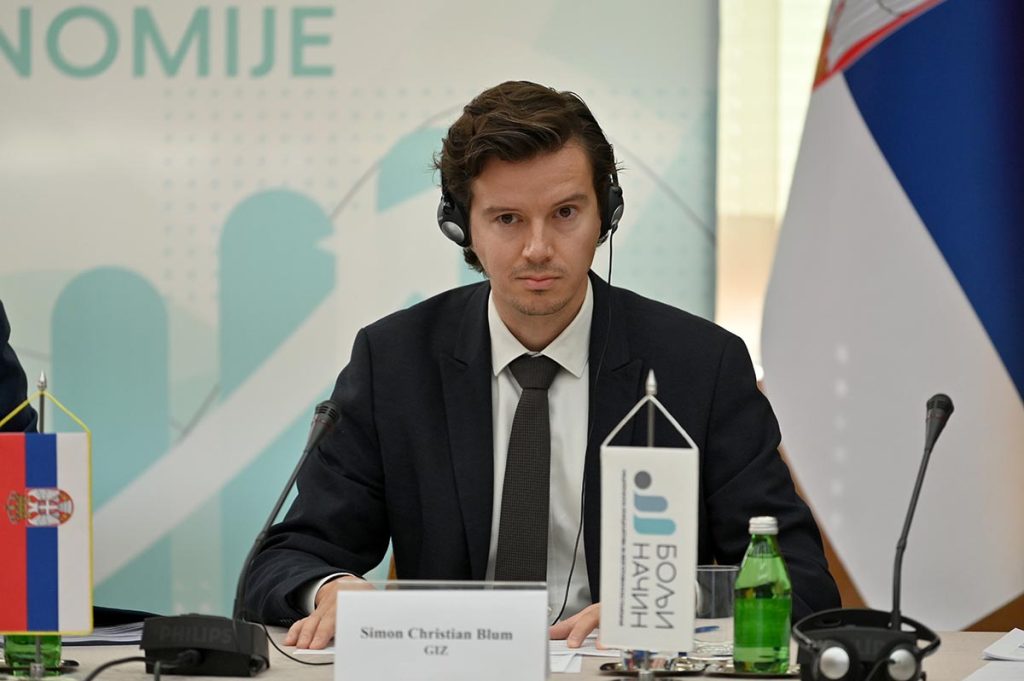
International support has played a key role in the reforms, with Simon Christian Blum from GIZ (German development agency) noting that increasing cashless transactions could further reduce Serbia’s shadow economy by 2.4% of GDP.
This would translate to approximately €500 million in additional annual tax revenue, aligning Serbia closer with EU standards in payment systems and further stabilizing its economy.